Application-to-specification translation
Aluminum Cargo Trailer Requirements by Operating Use
The phrase aluminum cargo trailer does not define the load, envelope, access, running gear, or acceptance plan. Start with the task and operating conditions, then bind each factory quotation to the same questions.
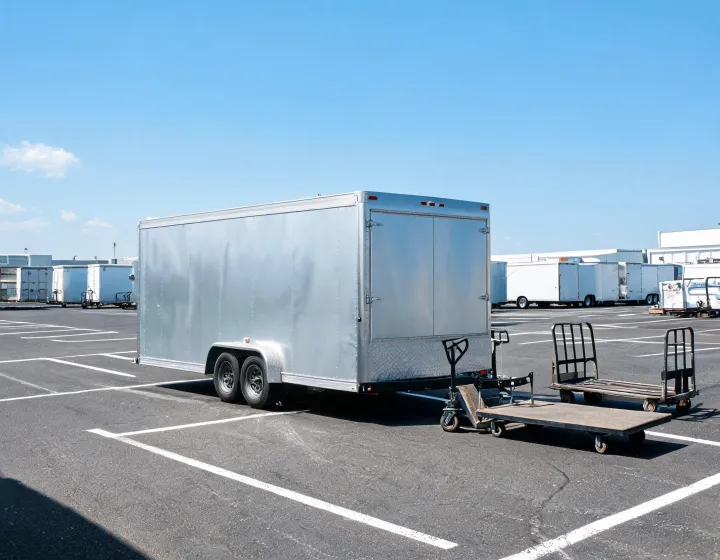
Translate use conditions into a trailer systems brief
Tow and running gear
Identify tow-vehicle compatibility, coupling type and height, electrical connector, brake-control assumptions, axle count, individual GAWR, tire and wheel requirements, suspension preference, route speed, and expected road surface. GVWR and payload must be tied to the complete offered configuration.
Body and cargo interface
Record clear interior length, width, and height; floor loading; door and ramp openings; ramp angle; tie-down points; shelving or partitions; ventilation; lighting; security; weather exposure; and any equipment installed after delivery. Added options affect tare weight and available payload.
Energy and auxiliary loads
For powered accessories, specify voltage, battery or shore-power expectations, charging source, duty duration, lighting, HVAC, lift, winch, or other loads. These requirements concern auxiliary systems; an aluminum cargo trailer is not assumed to have a vehicle powertrain.
Application profiles and the questions they create
Mobile service and tool transport
Clarify tool mass and placement, cabinet anchorage, generator or shore power, ventilation, side access, security, work lighting, floor point loads, parking conditions, and towing frequency. A layout drawing is more useful than a generic payload claim.
Dealer, rental, or event fleet
Define repeatable configuration codes, cosmetic finish, spare parts, operator instructions, storage, mixed-unit quantity, delivery staging, and damage inspection. If multiple sizes are planned, request separate quotations rather than an averaged price.
Motorcycle, powersports, or compact-equipment transport
State wheelbase and width of the carried units, ramp angle, door clearance, floor and restraint requirements, axle loading, tongue-weight target, interior height, ventilation, and any fuel-handling restrictions. Confirm the exact loaded arrangement with the supplier.
Selection trade-offs to settle before inquiry
Does aluminum always provide more usable payload?
Not automatically. Material can reduce some structural mass, but frame design, body dimensions, axles, floor, doors, options, safety margin, and rating basis determine tare weight and payload. Compare documented offered configurations.
Is the highest family GVWR the right comparison?
No. The quoted trailer's axles, tires, brakes, coupling, frame, body, and manufacturer rating must be evaluated together. Ask for exact-model evidence and the assumptions behind estimated payload.
Does a lower ex-factory price mean lower landed cost?
No. Add customization, inspection, packaging, inland transport, freight, duty assumptions, and destination services on one Incoterm and destination basis.
Can a supplier document prove US acceptance?
Not by itself. Documents must match the exact trailer and production scope, and qualified destination-side reviewers should confirm applicability. This sourcing service does not grant approval.
How should repairability enter the decision?
Ask about alloy and joint information, service documentation, replacement components, corrosion isolation, and repair access in the operating region. Weight, acquisition cost, durability, and repair route can pull in different directions.
Describe the cargo task before choosing the trailer
Send the load, route, access, dimensions, ratings, running gear, quantity, destination, and required evidence so alternatives can be compared against the same duty.
Share Requirements