Tow-system and auxiliary-energy review
Aluminum Cargo Trailer for Sale: Check System Readiness First
A sales listing is a starting reference, not a complete procurement basis. Compare the trailer, tow interface, braking, auxiliary electrical loads, duty cycle, and delivery scope for the exact configuration.
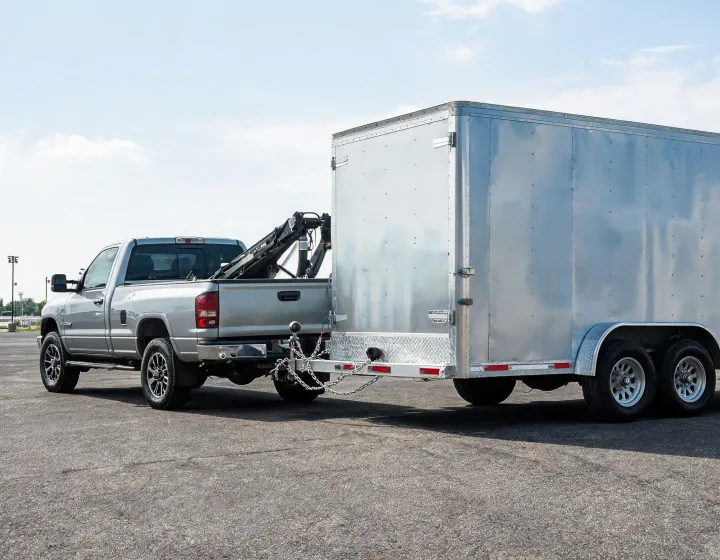
Trailer selection inputs
Confirm cargo mass and distribution, body envelope, loading method, route, speed, grade, climate, parking, tow vehicle, installed equipment, maintenance access, and intended service life. The loaded combination and tow-vehicle limits require buyer-side technical review.
Separate verification paths
Supplier drawings and documents describe the offered trailer; tow-vehicle compatibility, licensing, registration, import, insurance, and destination rules require separate confirmation. AlloyTrailer Source coordinates questions but does not make those approvals.
Compare fuel-independent trailer systems and powered accessories
An ordinary cargo trailer has no propulsion powertrain, so readiness centers on the tow vehicle and the trailer's braking and auxiliary-energy interfaces. If a proposal adds powered equipment, treat it as a defined subsystem rather than a vague upgrade.
Mechanical connection
Specify coupler type and height, hitch class or rating requirement, expected tongue-weight range, safety chains, jack, breakaway arrangement, clearance, and maneuvering limits. Ask the supplier to identify the basis for the offered components.
Braking and road interface
Record axle count and individual ratings, brake type, brake-controller compatibility, tire and wheel ratings, suspension, spare provision, lighting connector, and route conditions. Do not infer complete-system capability from one component rating.
Auxiliary electrical demand
List interior and exterior lighting, lift, winch, refrigeration, HVAC, outlets, security, telematics, battery chemistry and capacity, charger, shore-power voltage, connector, operating hours, and replenishment window where applicable. Request wiring and equipment schedules.
Audit the interface before accepting a listed trailer
Send the listing or drawing, tow vehicle, loaded duty, ratings, auxiliary loads, quantity, destination, budget basis, and open questions. Alternatives should be documented as deviations, not treated as automatic equivalents.
Request a Readiness Comparison